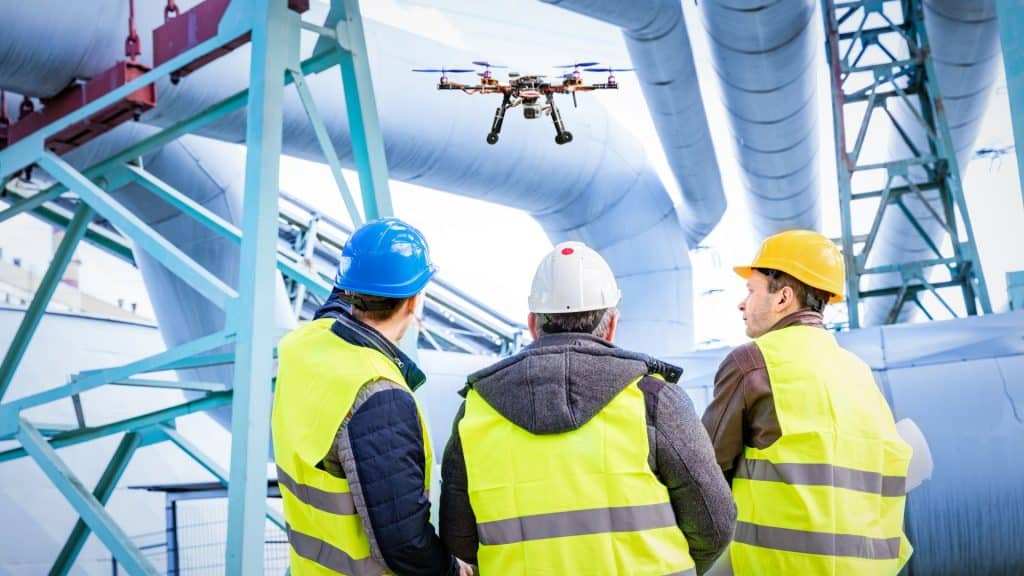
Aerial asset inspections in Australia typically cost between $250 and $1,500 per hour, depending on the type of inspection, the equipment required, and the complexity of the site. Four factors set the price within that range: the size of the asset, its aspect (how many faces or angles need capturing), its location and site access, and the level of detail required in the data. A single-facade building inspection sits at the lower end of the range, while a large asset requiring LiDAR-grade precision, multiple angles, and difficult site access sits at the higher end.
Inspecting a building, bridge, tower, or similar asset is not a simple job. It requires careful planning, logistics, and calculations to make sure the right level of detail is captured using the right equipment, processes, and approvals.
Aerial inspections not only save you time and money, but also enhance your decision-making in a lot of other significant ways. As aerial drone inspection experts in the engineering and construction space, we often get a lot of queries about the costs involved in aerial drone inspections.
The sections below break down what drives that cost, where aerial inspections deliver the most value, and how pricing compares across the four main inspection types
Table of Contents
Cost-Benefit Analysis of Drone Inspections
Drones cut inspection costs against traditional methods in three ways: earlier problem detection, a smaller workforce, and no need to shut down the site.
Preventive Maintenance
Fixing damage early costs less than repairing it once it has worsened. Drones catch damaged, worn, or leaking areas before they become severe, and give builders a digital record of the building’s condition to plan future repairs against.
An initial site visit establishes the building and site conditions relevant to the job:
- Scale of the building
- Site location and surroundings
- Traffic and pedestrian density
- Structure and shape of the building
- Weather conditions and localised risks
- Job complexities and limitations
These factors set the equipment and resources the job needs. Job planning then secures any permissions required to fly at the location. Our team at Avian holds a full CASA drone licence, CIWC certification, and the insurances needed for construction sites and high-rise buildings.
Saving the Cost of the Workforce
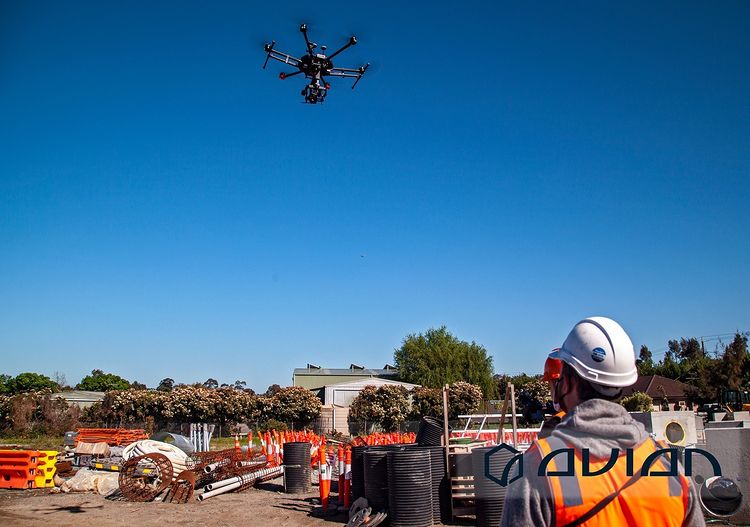
Drones replace a large inspection team with one operator and a safety assistant, controlling the flight from the ground or rooftop via GPS navigation. A manual inspection, by contrast, can require a full team of engineers and building inspectors on site, and traditional inspection methods using ropes, cranes, or platforms often force a shutdown of the construction project or asset because of the at-heights access required. Drones remove that disruption, since engineers only need to access the structure directly when it’s absolutely necessary.
Cutting cost is one benefit; knowing where in a project drones add the most value is the other.
Aerial Asset Inspection Costs by Type in Australia
Each inspection type carries its own cost profile, driven by the sensor equipment involved and the time needed on site.
Existing Condition Inspections
Condition inspections usually cost $250 to $450 per hour, depending on complexity, location, and inspection requirements. This is the standard inspection type for assessing a building or asset’s current state ahead of remediation, repair, or renovation decisions.
Thermal Inspections
Thermal inspections typically cost $300 to $500 per hour, close to the standard condition-inspection rate, since thermal sensors add equipment cost but not significantly more flight time. Thermal inspections use infra-red sensors to detect temperature differences and identify water ingress and damage in a building or roof cavity. This inspection type is commonly misunderstood, since interpreting thermal camera images correctly and diagnosing the extent of the damage requires specific training and expertise. Thermal inspections are commonly used for solar panel inspections, and for rooftop assessments of commercial or residential buildings, warehouses, and manufacturing plants.
Construction Site Inspections
Construction site inspections are typically quoted as part of an ongoing monitoring program rather than a single visit, since they cover site operations, safety compliance, and audits of plant, machinery, and materials throughout the build (see Construction Monitoring above). Pricing for a recurring program is scoped per site based on visit frequency and reporting depth.
LiDAR Surveys
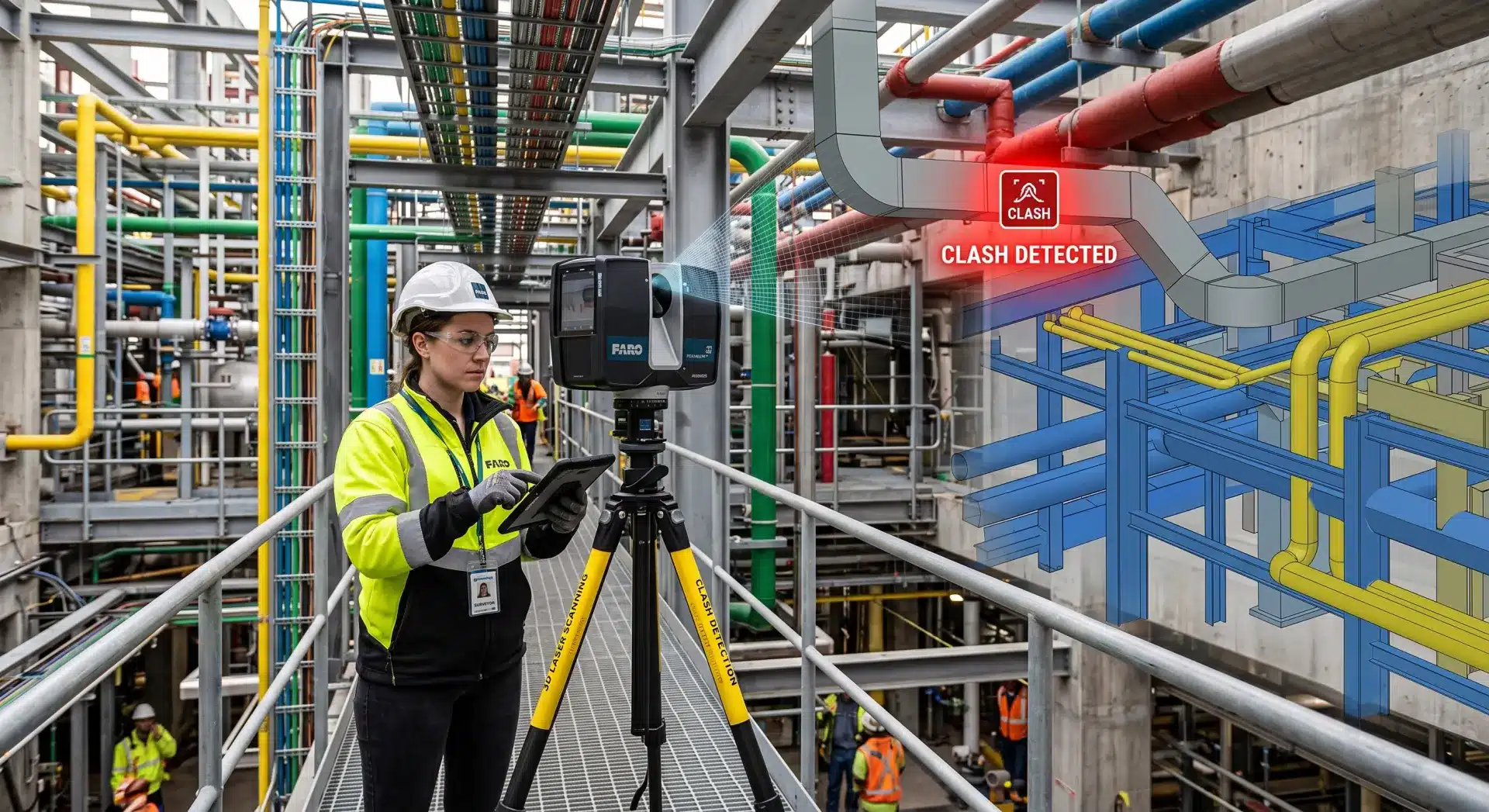
LiDAR (Light Detection and Ranging) surveys cost $1,200 to $1,500 per hour. Drones mounted with LiDAR equipment capture accurate surface information of the as-built environment, commonly used to inspect power lines, dams, towers, pipelines, mine shafts, and other inaccessible areas. LiDAR surveys capture site data as a point cloud, processed in photogrammetry software to generate 2D and 3D feature surveys, digital terrain models, and terrain maps. This method reduces on-site risk and captures survey data without the cost and complexity of covering large distances on the ground or at height.
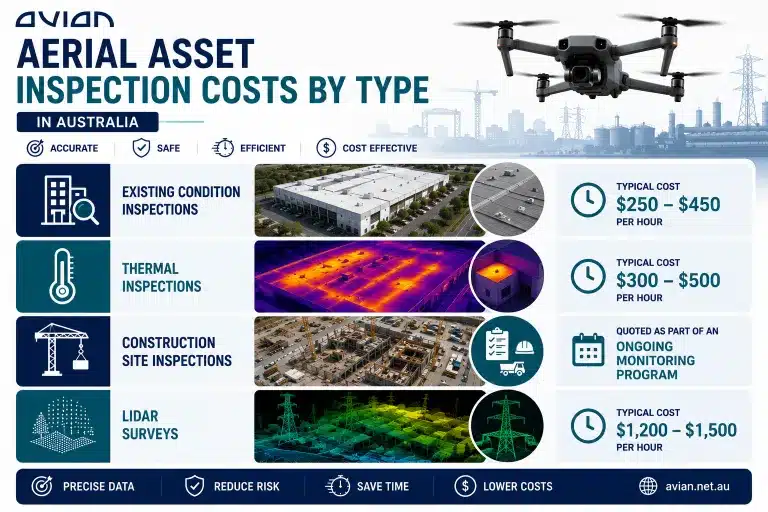
Aerial Asset Inspection Costs by Type Infographic
Where Are Aerial Inspections Most Beneficial?
Aerial inspections apply across four stages of the asset lifecycle: pre-build assessment, construction monitoring, building condition surveys, and post-build inspection of machinery and infrastructure.
Land Inspections (Pre-Build)
Drone inspections for properties support site analysis, feasibility, and contextual review before construction starts. The drone maps and surveys the terrain, including topography, vegetation, neighbourhood, and other site characteristics, producing survey plans, topographical models, renders, photo-montages, or overlays for client presentations.
Construction Monitoring
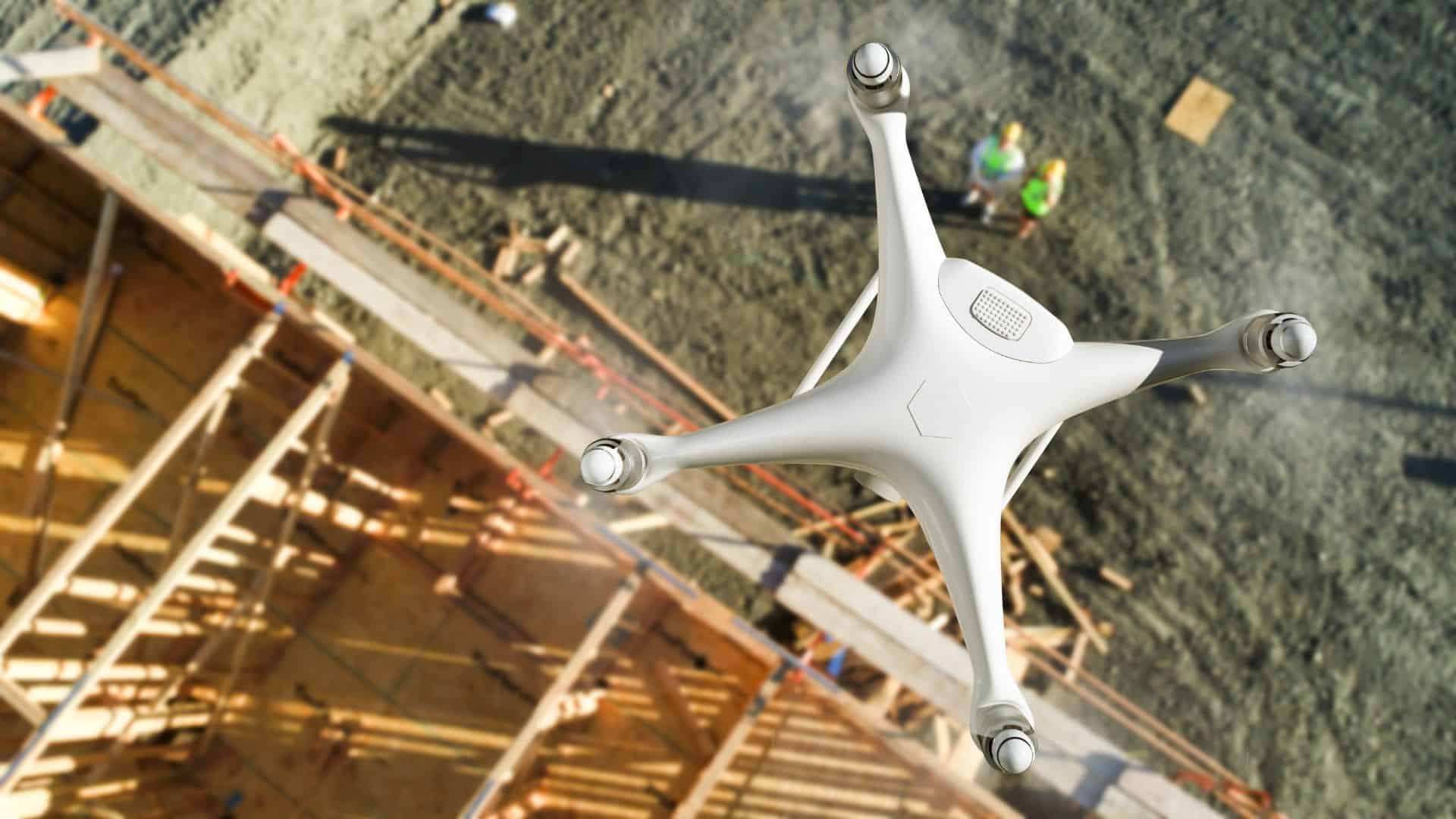
During construction, drones track progress, site operations, and safety compliance, and support asset audits and stocktakes of materials, machinery, raw materials, site security, and other assets on and around the site. This gives project teams an ongoing, documented view of the build without pulling engineers off other tasks to walk the site.
Building Inspections
Building inspections check facade quality, roofing, and drainage to guide remediation, repair, or renovation decisions, making this the most common inspection type for assessing existing conditions. They also assess weather-related damage, including interior water ingress and moisture build-up.
Covering the building from multiple angles and heights, drones remove the need for anyone to climb the roof, hang off the facade, or set up scaffolding, avoiding that cost until the required repair scope is confirmed.
See our example of a building condition inspection of a high-rise residential building in Melbourne, where UAVs traversed every facade floor by floor within days, with reporting indexed for efficient desktop analysis.
Machinery Inspections
Heavy-duty machinery needs regular monitoring, since damage disrupts operations as much as unplanned downtime does. Faulty machinery can also cause malfunctions, delays, and, in serious cases, fatal accidents, making inspection a safety issue as well as a cost one.
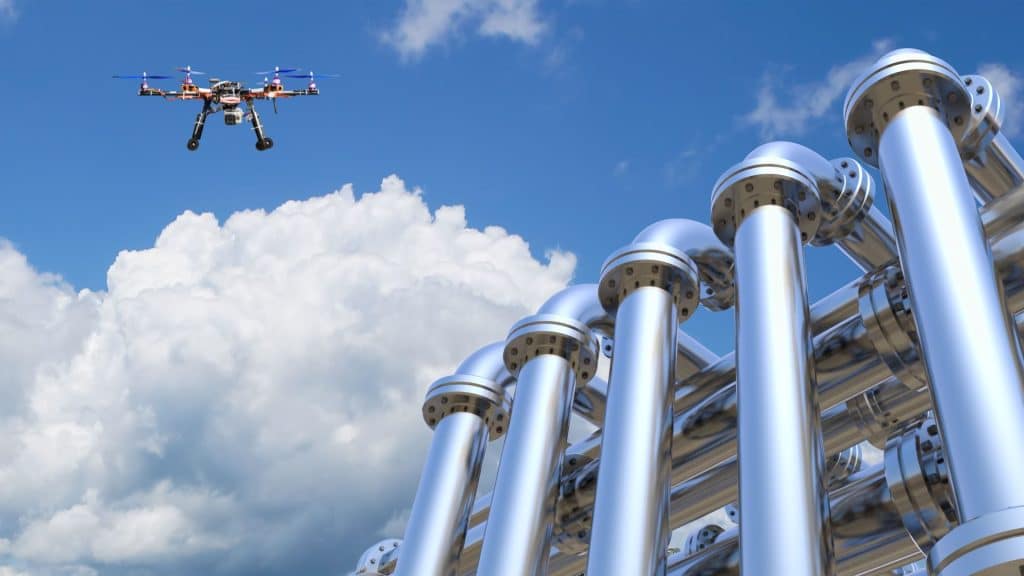
Our Engineering Asset Inspection case study used enterprise UAVs fitted with range sensors and high-magnification zoom lenses to capture close-up detail of the asset from every angle.
Asset Inspections (Bridges, Towers, Buildings)
Large infrastructure and commercial assets, such as high-rise building facades, telecommunications towers, and road or rail bridges, need the same monitoring discipline as machinery, typically at increased frequency after weather events or in harsh environments. A manual condition assessment of these assets using rope access, cranes, and suspension platforms can take a team of engineers days to weeks; a drone can complete the same assessment in a day or two.
Aerial assessment gives engineers and maintenance teams more detail on the asset, its access points, and its surroundings, so maintenance programs can be planned and costed more precisely. Once construction is complete, this same drone-based assessment supports handover inspections and ongoing maintenance programs, closing the loop from pre-build survey through to in-service monitoring.
How Portfolio Size Affects Per-Asset Cost
Per-asset cost drops as the number of assets inspected in a single program increases.
A one-off building inspection is priced individually, but organisations managing a larger portfolio, such as property groups, utilities, or facilities managers with multiple sites, achieve a lower cost per asset because mobilisation, planning, and reporting overheads are spread across more inspections.
This also improves data consistency, since every asset in the portfolio is assessed using the same methodology and can be compared against the same baseline over time.
Assets that are expensive or dangerous to reach by traditional means see the largest cost difference between manual and drone-based inspection. Bridges over water, towers in remote locations, and roofs on tall or heritage buildings all fall into this category.
Frequently Asked Questions
How much does an aerial asset inspection cost in Australia?
Most aerial asset inspections cost between $250 and $1,500 per hour, depending on the inspection type, with condition inspections at the lower end and LiDAR surveys at the higher end.
Are drone inspections cheaper than manual inspections?
Yes. Drones remove the need for scaffolding, rope access, cranes, or elevated work platforms, and complete assessments that would take a manual team days to weeks in a day or two.
Does inspecting multiple assets reduce the cost per asset?
Yes. Portfolio and multi-site programs lower the per-asset cost, since mobilisation and reporting overheads are shared across more inspections.
What factors increase the cost of an aerial asset inspection?
Larger assets, multiple facades or angles, difficult site access, and a higher required level of detail (such as LiDAR-grade precision) all increase cost.