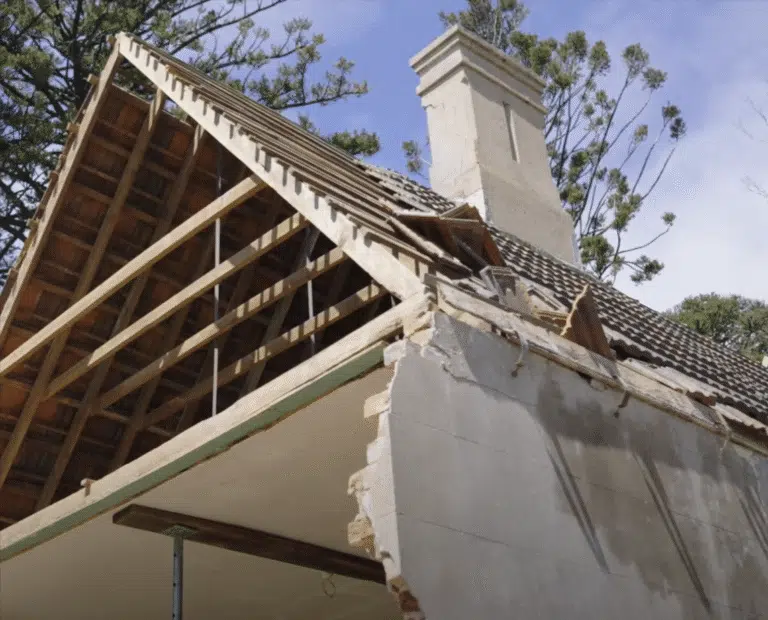
Every crack, curve, and carving in a heritage building tells a story – one that deserves to be preserved with utmost care. For conservationists, architects, and heritage consultants, maintaining these cultural landmarks presents a unique challenge: how to capture fragile details without causing further damage. From cathedrals with delicate stonework to historic theatres with ornate ceilings, even the smallest movement or vibration can pose a threat to centuries-old craftsmanship.
Accurate documentation is essential for protecting our heritage. It enables restorations, supports research, and creates digital archives for future generations. However, traditional survey methods often fall short. They can be invasive, time-consuming, and sometimes pose a risk to the structure itself.
This is where heritage preservation laser scanning comes in. Using advanced 3D technology, it allows professionals to document, analyse, and restore heritage sites with unparalleled accuracy and safety.
Table of Contents
What is Laser Scanning and How Does it Work in Heritage Preservation?
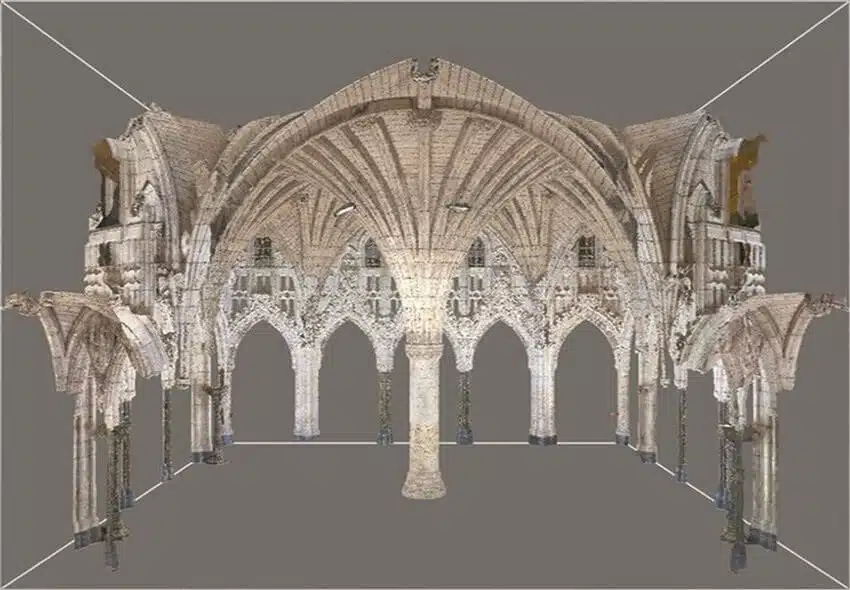
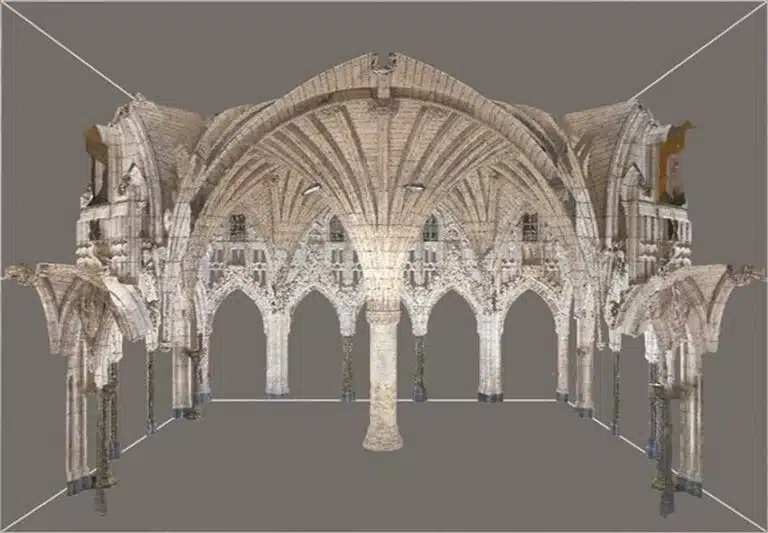
At its core, 3D laser scanning is a non-contact measurement technology that uses laser light to capture the exact geometry of an object or environment. Each scan records millions of points, known as a point cloud, which together create a highly detailed digital replica of the structure.
Unlike manual surveying methods that rely on physical measurements, laser scanning captures intricate details from a safe distance, preserving even the most fragile features.
How it works:
- Setup: A scanner is positioned strategically around the site, ensuring minimal interference with the structure.
- Scanning: The device emits laser beams that bounce back when they hit surfaces, measuring distances with extreme accuracy.
- Data Capture: Millions of measurement points are recorded within minutes, forming a 3D “point cloud.”
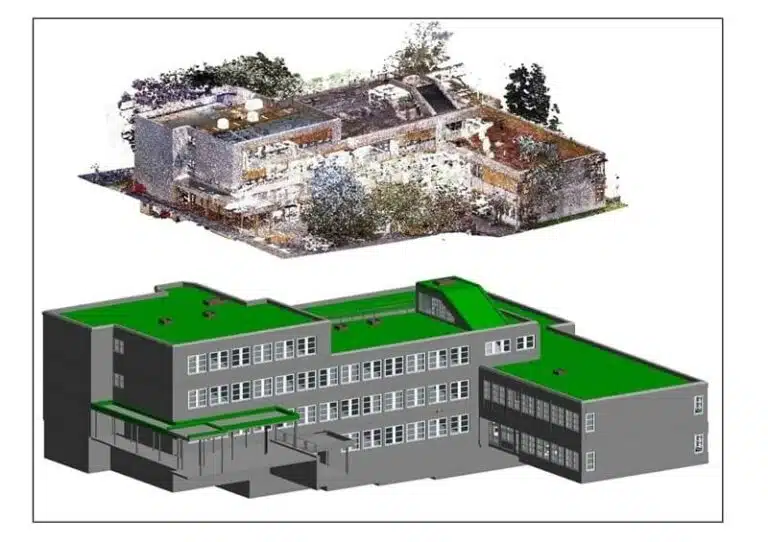
- Modelling: These point clouds are processed into detailed 3D models that can be viewed, analysed, or used for restoration and documentation.
For conservation teams, the technology provides a comprehensive visual record, one that can be revisited or re-analysed at any time without returning to the site. It’s one of the key advantages of laser scanning over traditional methods, helping protect heritage structures from unnecessary disturbance.
What Are the Key Benefits of Using Laser Scanning for Heritage Sites?
The benefits of capturing heritage sites with laser scanning extend beyond precision. It transforms how we document, interpret, and safeguard our cultural assets.
1. Non-Invasive and Safe
Laser scanning doesn’t require physical contact, meaning fragile surfaces remain untouched. This ensures delicate materials, paintings, and sculptures are preserved during documentation.
2. Highly Accurate and Detailed
Even the smallest architectural feature, from carvings to cornices, is captured with millimetre precision, supporting more informed restoration decisions.
3. Access to Complex and Hard-To-Reach Areas
Historic sites often include inaccessible sections such as rooftops, towers, or vaulted ceilings. Laser scanning can safely document these spaces from a distance.
4. 3D Digital Models for Long-Term Archiving
Scanned data can be transformed into detailed 3D models, allowing architects and historians to study or restore sites virtually, preserving history in digital form.
5. Reduced Onsite Time and Minimal Disruption
The process is fast and efficient, reducing the need for scaffolding or extended closures to the public.
These benefits make heritage preservation laser scanning not just a tool for recording the past, but a key part of shaping how we protect it in the future.
What Challenges Does Laser Scanning Address in Historic Site Documentation?
Every heritage project presents unique obstacles, from delicate frescoes to unstable foundations. Laser scanning provides practical solutions to many long-standing challenges:
- Complex architecture: Many heritage buildings feature irregular layouts or ornate detailing that are difficult to capture manually. Laser scanning creates accurate digital maps of these complex geometries.
- Fragile materials: Structures made from aged stone, wood, or plaster require non-contact methods to prevent damage during measurement.
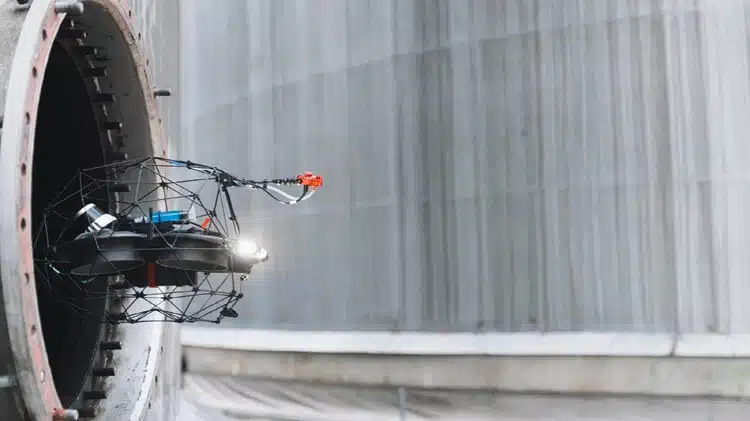
- Limited accessibility: In historic or restricted areas, scanners can capture data remotely or through drones, eliminating the need for direct access.
- Lighting conditions: Laser scanning technology performs reliably even in low-light or enclosed environments, ensuring clarity and consistency.
- Regulatory requirements: High-precision scans support compliance with heritage preservation authorities and planning frameworks.
By addressing these issues, how 3D laser scanning supports heritage preservation becomes clear: it ensures accuracy, safety, and completeness across every stage of the conservation process.
How Does Laser Scanning Integrate Into the Heritage Preservation Process?
Implementing laser scanning effectively requires careful planning and collaboration between surveyors, architects, and conservationists.
- Collaborative project planning
Before scanning begins, teams assess the site’s condition, access points, and conservation needs to design the most effective scanning strategy. - Choosing the right equipment
The choice of scanner depends on the project’s scale and environment: handheld systems for interiors, long-range scanners for facades, or drones for elevated viewpoints. - Onsite scanning
Technicians strategically position scanners to capture complete, overlapping datasets. Every surface is recorded to eliminate blind spots. - Data processing and modelling
The collected point clouds are refined, filtered, and stitched together to create precise 3D models, often used for architectural workflows with point cloud data. - Analysis and archiving
Once processed, the data supports digital restoration, visualisation, and future research, ensuring the site’s legacy endures digitally.
This process demonstrates how point cloud technology in construction and heritage conservation is bridging traditional craftsmanship with modern innovation.
What Should Surveyors and Conservationists Look for When Choosing Laser Scanning Services?
Not all scanning providers have the same expertise or sensitivity required for heritage work. When selecting a partner, conservationists should consider:
- Experience with heritage projects – Look for a proven record of documenting historic buildings and cultural landmarks.
- Technical expertise – Ensure the provider understands laser scanning technical terminology for heritage professionals and can interpret results accurately.
- Data security – Historic records must be securely stored and backed up to prevent data loss.
- Compliance – The company should be familiar with local heritage regulations and required permissions.
- Deliverables – Choose a provider that delivers usable 3D models, orthophotos, and reports tailored to your restoration goals.
A trusted provider should balance technical precision with respect for the cultural and historical importance of each project.
Why Is 3D Laser Scanning More Accurate and Efficient Than Older Survey Methods?
Traditional surveying relied heavily on manual input, which introduced variables that could easily lead to errors or missed details. By contrast, 3D scanning delivers data that is not only more comprehensive but also ten times faster to capture. Key advantages of modern laser scanning over traditional surveying methods include- Rapid data acquisition – Capture vast areas in minutes, reducing time on-site.
- Unmatched precision – Achieve millimetre-level accuracy for tunnels, shafts, and stockpiles.
- Revisit digital models anytime – Analyse data without needing to return to the site.
- Integrated workflows – Combine scans with CAD and GIS platforms for seamless planning.
How Does 3D Laser Scanning Make Mining Surveys Safer?
Safety is one of the most compelling reasons why the benefits of 3D laser scanning in mining are being embraced by operators across Australia. By drastically reducing the need for personnel to enter high-risk environments, laser scanning helps ensure worker well-being without compromising on accuracy.How Is Surveyor Safety Improved?
- Remote mapping minimises worker exposure – Scanners can operate safely from a distance, even in unstable areas.
- Early detection of structural weaknesses – Identify potential hazards before they become serious risks.
- Real-time ground stability monitoring – Detects movement or deformation as it happens, improving response times.
What Are the Practical Benefits for Mining Companies?
The true impact and benefits of 3D laser scanning in mining go beyond speed and safety. The technology gives mining companies a digital twin of their site, improving operational intelligence and enabling data-driven decisions from exploration to rehabilitation. The most significant benefits include- Reduced downtime – Quicker surveys mean less interruption to production schedules.
- Cost efficiency – Accurate data supports better planning and reduces rework.
- Improved project visibility – Data can be shared with engineers, regulators, and stakeholders instantly.
- Sustainable site management – Detailed 3D records support compliance, monitoring, and reclamation efforts.
- Enhanced planning and design – Generated 3D Models integrate seamlessly with architectural and engineering software.
Why Choose 3D Laser Scanning for Heritage Sites?
When you compare precision laser scanning with older, manual methods, the advantages are undeniable. Laser scanning captures millions of data points in minutes, creating a complete and accurate record that traditional surveying simply cannot match.
Beyond documentation, 3D models offer ongoing value for planning, visualisation, and restoration. They can be shared with international experts, integrated into Building Information Modelling (BIM) services, or used to create virtual reconstructions for education and tourism.
This modern approach ensures cultural landmarks are not only preserved but experienced in new, meaningful ways.
How Avian Supports Heritage Preservation with Expert Laser Scanning Services
At Avian, we combine advanced technology with a deep respect for history. Our team specialises in heritage preservation laser scanning, providing accurate, non-invasive solutions for museums, government bodies, and restoration specialists.
With a wealth of experience across historic buildings, monuments, and architectural sites, Avian’s team uses state-of-the-art equipment to capture even the finest details safely and efficiently.
How Avian helps heritage projects succeed
- Unmatched precision: Using industry-leading scanners, we deliver sub-millimetre accuracy across every structure.
- Collaborative workflows: Our specialists work closely with architects and heritage consultants to tailor each scan to project needs.
- Comprehensive deliverables: From high-definition point clouds to realistic 3D models, our outputs are ready for restoration, BIM integration, or archiving.
- Commitment to preservation: Every project is approached with the same level of care, professionalism, and cultural awareness.
Avian’s work has supported laser scanning applications in heritage preservation projects and infrastructure projects such as airport renovation, proving that the same technologies protecting our past are shaping our future. Check out Avian’s restoration case study for Heritage Building Restoration in Manyung Estate in Mt Eliza, Vic. By leveraging cutting-edge technology, we ensure the building’s legacy is preserved for future generations. Watch how we turn a historic challenge into a blueprint for restoration success using 3D Laser Scanning

Preserve History with Confidence – Contact Avian Today
Heritage preservation is about more than maintaining the past, it’s about ensuring its future. By partnering with Avian, conservationists, architects, and project managers can safeguard priceless landmarks with confidence and precision.
Whether you’re documenting a historic church, restoring a landmark theatre, or archiving a museum collection, Avian’s expertise in heritage preservation laser scanning delivers the accuracy and reliability your project deserves.
Contact Avian today to discuss your heritage documentation needs or request a consultation on how capturing heritage sites with laser scanning can support your next preservation project.